


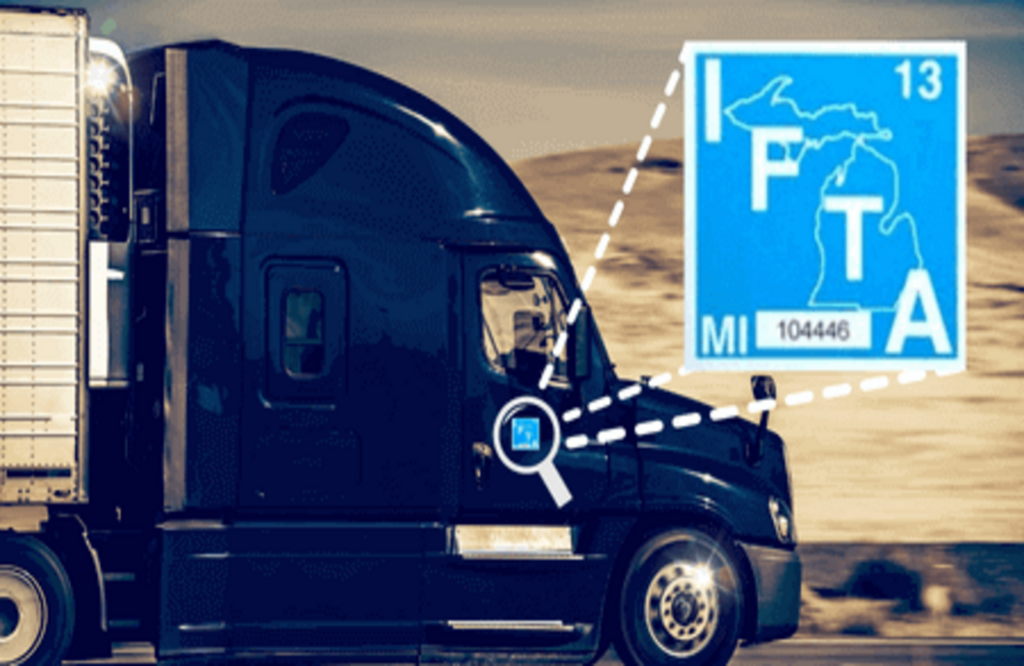
The International Fuel Tax Agreement (IFTA) is a cooperative agreement among the contiguous 48 U.S. states and 10 Canadian provinces. It simplifies the reporting of fuel use taxes by allowing carriers to file a single quarterly fuel tax report that covers all member jurisdictions in which they operate. Without IFTA, carriers would have to file separate fuel tax reports for each jurisdiction, a process that would be incredibly burdensome.
The goal of IFTA is to ensure that fuel taxes are fairly distributed to the states and provinces where fuel is consumed, not just purchased. This means that regardless of where you buy fuel, you will pay fuel taxes based on the miles you drive in each IFTA member jurisdiction.
Who Needs to Comply with IFTA?
IFTA applies to motor carriers that operate qualified motor vehicles across state or provincial borders. A qualified motor vehicle is defined as:
- Having two axles and a gross vehicle weight or registered gross vehicle weight exceeding 26,000 pounds (11,797 kilograms), or
- Having three or more axles regardless of weight, or
- Being used in combination (such as a tractor-trailer) when the combined weight exceeds 26,000 pounds.
If your fleet includes vehicles that meet any of these criteria and you operate in more than one IFTA jurisdiction, you are required to comply with IFTA regulations.
The Importance of IFTA Compliance
Staying compliant with IFTA is not just a legal requirement—it can also help your business in several key ways:
- Avoiding Fines and Penalties:
- Failing to comply with IFTA regulations or filing incorrect reports can result in hefty fines, penalties, and even the suspension of your ability to operate in IFTA jurisdictions. Late filings or miscalculations in your fuel tax reports can lead to costly repercussions for your business, including additional audits and interest charges.
- Simplified Tax Reporting:
- Without IFTA, carriers would need to file separate tax reports for each jurisdiction they travel through, making tax reporting a highly complex and time-consuming task. IFTA simplifies this process, allowing you to submit a single quarterly report that covers all jurisdictions, saving you valuable time and administrative effort.
- Ensuring Fair Fuel Tax Distribution:
- IFTA ensures that fuel taxes are paid based on the miles driven in each jurisdiction, rather than where fuel is purchased. This system helps prevent tax evasion and ensures that jurisdictions receive their fair share of fuel taxes based on road use.
- Efficient Record Keeping:
- Compliance with IFTA encourages better record keeping for your fleet, which not only helps with fuel tax reporting but also contributes to more accurate tracking of fuel expenses and vehicle efficiency. Maintaining clear and organized records can streamline operations and make it easier to spot inefficiencies in your fleet’s fuel usage.
How to Stay Compliant with IFTA
Staying compliant with IFTA requires attention to detail and proper organization. Below are some steps to help simplify IFTA compliance for your trucking company:
- Maintain Accurate Fuel Receipts and Mileage Logs:
- IFTA requires detailed record-keeping of both fuel purchases and miles driven in each jurisdiction. For fuel purchases, keep accurate receipts that include the date, location, fuel type, price per gallon, and total gallons purchased. For mileage, use an electronic logging device (ELD) or a reliable tracking system to record the miles driven in each state or province.
- Automate Fuel Tax Reporting:
- Many trucking companies use IFTA software or fleet management systems to automate fuel tax reporting. These tools can track miles driven by jurisdiction, calculate fuel taxes owed, and generate quarterly reports, making the process easier and reducing the likelihood of errors.
- Some software solutions even integrate directly with fuel cards, automatically capturing fuel purchase data and matching it with miles driven for each jurisdiction.
- Submit Quarterly IFTA Reports On Time:
- IFTA tax reports must be filed quarterly, with deadlines typically falling on the last day of the month following the end of each quarter. The reporting periods are:
- Q1: January to March (Report due April 30)
- Q2: April to June (Report due July 31)
- Q3: July to September (Report due October 31)
- Q4: October to December (Report due January 31)
- Late filings can result in penalties and interest, so it’s important to stay on top of your reporting schedule.
- IFTA tax reports must be filed quarterly, with deadlines typically falling on the last day of the month following the end of each quarter. The reporting periods are:
- Reconcile Fuel Purchases with Mileage:
- To ensure accuracy, regularly reconcile your fuel receipts with your mileage logs. This step helps to catch any discrepancies before submitting your IFTA report. Fuel consumption should align with miles traveled—significant differences could raise red flags during an audit.
- Understand Your Base Jurisdiction’s Rules:
- IFTA requires that you designate a base jurisdiction—typically, the state or province where your business is headquartered. Each base jurisdiction has slightly different procedures for issuing IFTA licenses, decals, and tax forms. Ensure you understand the specific rules of your base jurisdiction, as they will be responsible for processing your reports and distributing tax payments to other jurisdictions.
- Prepare for IFTA Audits:
- IFTA audits are conducted to ensure that companies are reporting fuel taxes accurately. To prepare for an audit, keep your records organized and accessible. You are required to keep your fuel and mileage records for a minimum of four years, so establish a reliable system for storing both physical and digital documents.
Simplifying IFTA Compliance with Third-Party Services
For many trucking companies, handling IFTA compliance internally can be overwhelming, especially for small and medium-sized fleets. Partnering with a third-party compliance service can take the burden off your shoulders. These services manage everything from tracking fuel usage and mileage to preparing and filing quarterly reports on your behalf. They also provide support in case of an audit, ensuring that your records are in order and your business remains compliant.
Benefits of Using IFTA Software and Fleet Management Tools
If you’re not ready to outsource IFTA compliance, consider using IFTA software or fleet management tools that are designed to streamline the reporting process. These tools offer several benefits:
- Accurate Data Tracking:
- IFTA software automatically records fuel purchases and miles driven in each jurisdiction, ensuring accurate data for your reports.
- Error Reduction:
- Manual reporting increases the risk of errors, which can lead to fines and penalties. IFTA software reduces human error by automating calculations and generating accurate reports.
- Time Savings:
- Automating IFTA reporting saves time by eliminating the need for manual record-keeping and report generation, allowing your team to focus on other critical tasks.
- Integration with Fuel Cards:
- Many IFTA tools integrate with fuel cards, simplifying the process of recording fuel purchases and matching them with mileage data.
Conclusion: Make IFTA Compliance Simple
IFTA compliance is essential for any trucking company operating across state or provincial lines, but it doesn’t have to be complicated. By maintaining accurate records, using the right tools, and staying on top of your reporting deadlines, you can ensure compliance while minimizing administrative burdens. Whether you choose to manage IFTA reporting internally or outsource it to a third-party service, the key to success lies in staying organized and proactive. With the right approach, IFTA compliance can be a streamlined process that keeps your trucking business running smoothly and legally across all jurisdictions.